
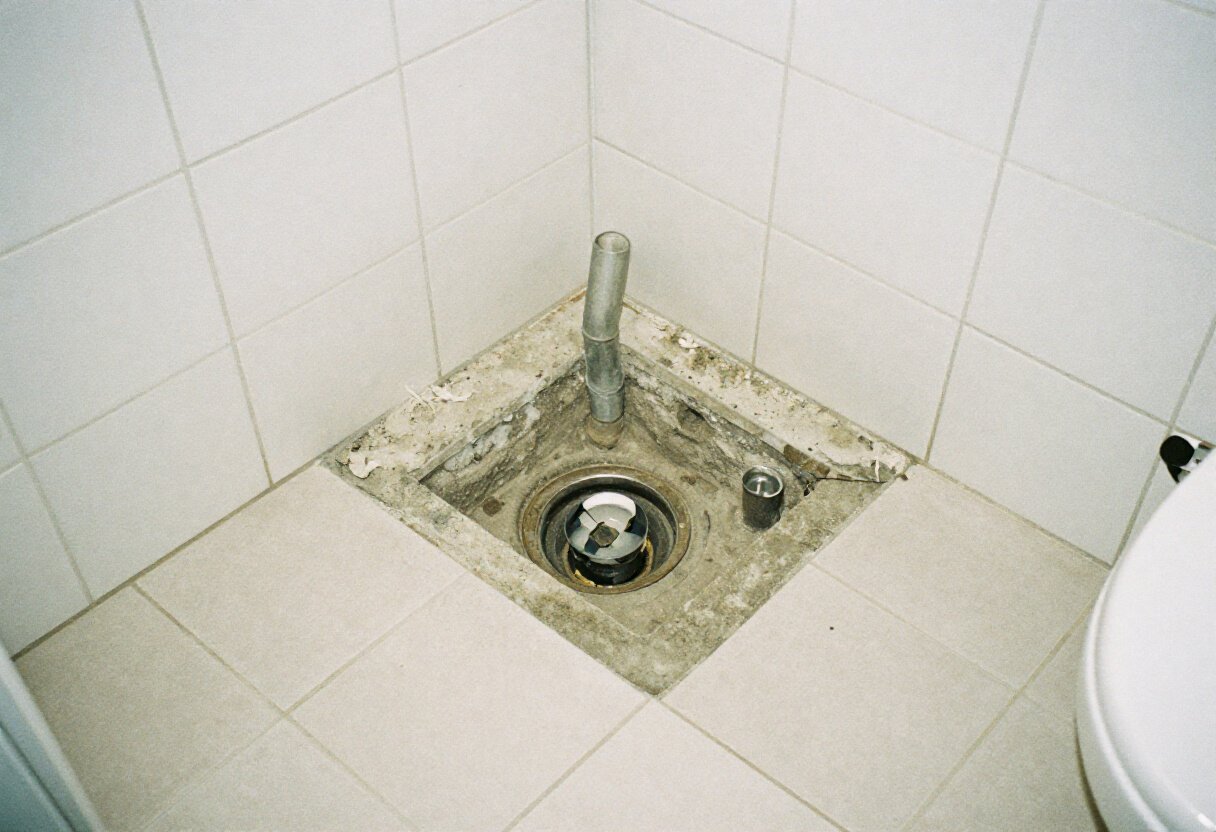
Relocating a toilet is one of the most requested changes during bathroom renovations. In homes built on concrete slabs, however, this is often more complex than homeowners expect. While relocation is sometimes possible, concrete slab construction introduces practical, structural and regulatory constraints that need to be understood early in the planning process.
In many cases, the challenges are not immediately visible until the existing toilet and flooring are removed.
Why Concrete Slabs Limit Toilet Relocation
In slab-on-ground homes, toilet waste pipes are embedded within or beneath the concrete slab. Unlike suspended timber floors, where pipework can be accessed from below, slab construction provides no easy access once the concrete is poured.
This means relocating a toilet typically requires cutting into the slab to reach and reconfigure the waste line. The extent of work depends on the slab thickness, pipe depth and original layout.

Waste Pipe Fall Requirements
Toilets rely on gravity to move waste efficiently. Waste pipes must maintain a minimum fall over their length to function correctly. In concrete slab homes, achieving the correct fall becomes more difficult as the toilet is moved further away from its original location.
If there is insufficient depth within the slab to achieve this fall, relocation options become limited. This is a physical constraint rather than a design preference, and it often determines how far a toilet can be moved.
Structural Considerations When Cutting Slabs
Concrete slabs are structural elements of the home. Cutting into them requires careful planning to avoid compromising slab integrity. In some cases, reinforcement steel may be present in the area that needs to be cut.
Any slab cutting must be done in a controlled manner and reinstated correctly. Poorly executed work can lead to cracking, movement or long-term performance issues.
Increased Scope of Work and Cost
Relocating a toilet in a slab-on-ground home often involves more than just plumbing. The process may include:
- Saw cutting and breaking concrete
- Reworking waste and water supply lines
- Reinstating the slab
- Waterproofing affected areas
- Re-tiling the floor
Each stage adds time, labour and cost. This is why toilet relocation in concrete slab homes is usually more expensive than in homes with suspended floors.
Venting and Connection Limitations
Toilet waste systems must also connect correctly to venting systems. In some older slab homes, vent locations are fixed and not easily altered without significant additional work.
Relocating a toilet without proper venting considerations can lead to poor performance, including slow flushing or drainage issues. This is why relocation must be assessed as part of the entire plumbing system, not just the visible fixture.

Floor Level and Waterproofing Impacts
Cutting into a slab and reinstating it can affect floor levels. Even small variations in height can impact tile installation, falls to floor wastes and waterproofing continuity.
Careful preparation is required to ensure the finished floor remains level where needed and compliant with drainage requirements in wet areas.
Older Pipe Materials Can Complicate Changes
Many concrete slab homes contain older pipe materials that may not match current plumbing standards. When altering waste lines, it is sometimes necessary to upgrade sections of existing pipework to ensure compatibility and compliance.
This can extend the scope of work beyond the immediate relocation area.
Regulatory and Compliance Requirements
All toilet relocation work must comply with Victorian plumbing regulations and be completed by a licensed plumber. In some cases, documentation or certification may be required as part of the renovation.
Compliance is not optional and should be factored into both the timeline and cost of the project.
When Relocation May Not Be Practical
There are situations where relocating a toilet in a concrete slab home is technically possible but not practical. The cost, disruption and risk involved may outweigh the design benefits.
In these cases, experienced renovation planning focuses on optimising layout within existing plumbing constraints rather than forcing major structural changes.
Planning Makes the Difference
The key to avoiding issues with toilet relocation in concrete slab homes is early assessment. Understanding the slab construction, pipe layout and drainage limitations before finalising a design allows realistic decisions to be made.
This approach helps prevent unexpected costs, delays and design compromises during construction.
Final Thoughts
Toilet relocation in concrete slab homes is not impossible, but it is rarely straightforward. The challenges are primarily physical and structural rather than aesthetic.
Clear planning, accurate assessment and licensed workmanship are essential to achieving a compliant and functional outcome. In many renovations, working with the existing waste layout results in a more efficient and reliable solution.


