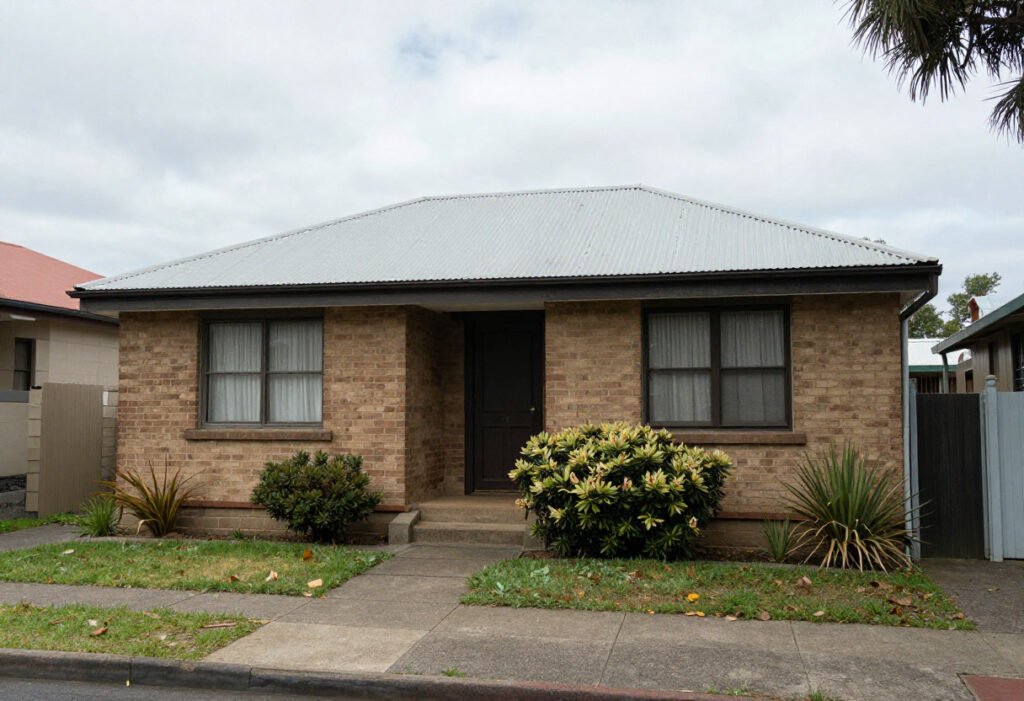
Post-war homes make up a large portion of Melbourne’s housing stock, particularly in established suburbs like Brunswick, Camberwell, Hawthorn, Preston and Coburg. While these homes have solid bones and character, their bathrooms often present design limitations that don’t become obvious until renovation planning begins.
These limitations aren’t design flaws as much as they are a reflection of how homes were built and used decades ago. Understanding them early helps set realistic expectations and prevents costly changes mid-project.
Bathrooms Were Never Meant to Be Feature Rooms
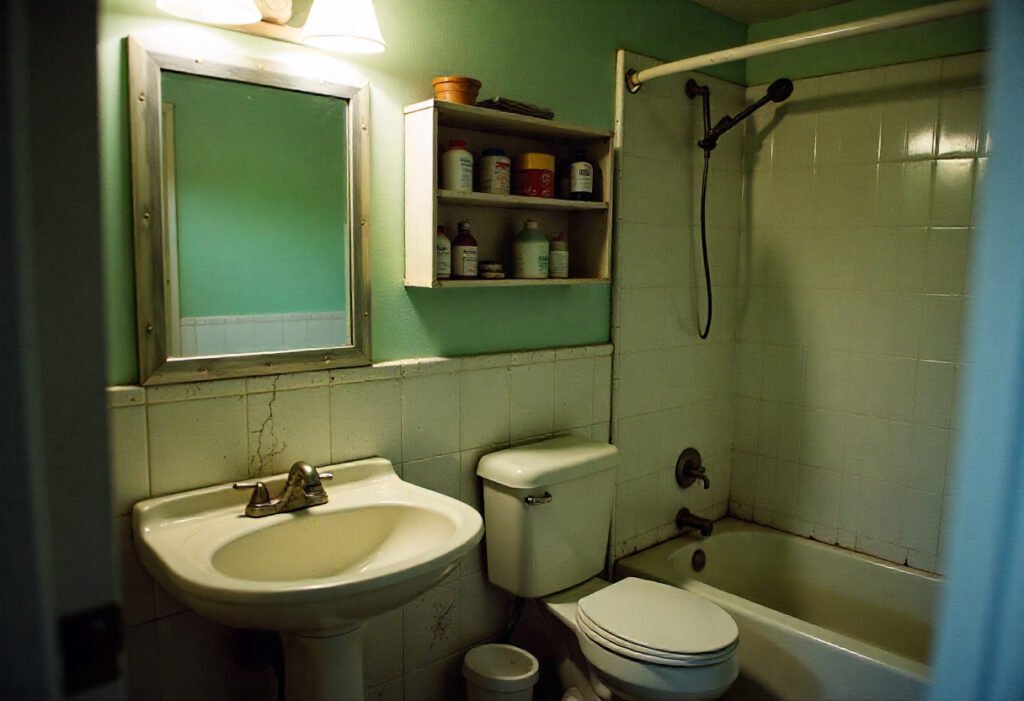
In many post-war homes, bathrooms were treated as purely functional spaces. They were small, tucked away, and designed to meet basic needs. Storage, comfort and layout efficiency weren’t priorities.
As a result, many original bathrooms have tight footprints with little flexibility. Trying to fit modern features such as walk-in showers, double vanities or freestanding baths into these spaces often pushes the limits of what the room can realistically handle.
Narrow Layouts Limit Fixture Placement
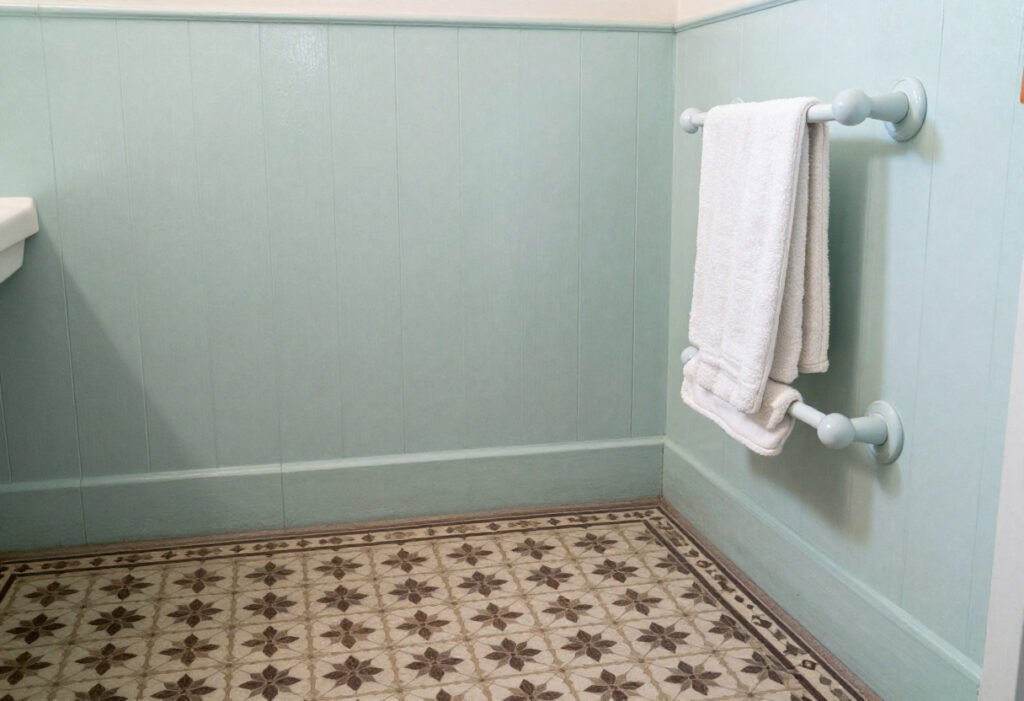
A common issue in post-war bathrooms is width. Many are long and narrow, which restricts how fixtures can be positioned. Modern bathroom layouts rely on generous clearances around vanities, toilets and showers, but older rooms often don’t allow for this without compromise.
This becomes particularly noticeable when homeowners want to change the layout. Moving a toilet or shower may seem straightforward, but waste lines and slab construction can severely limit how far things can shift without major structural work.
Plumbing Locations Lock the Layout in Place
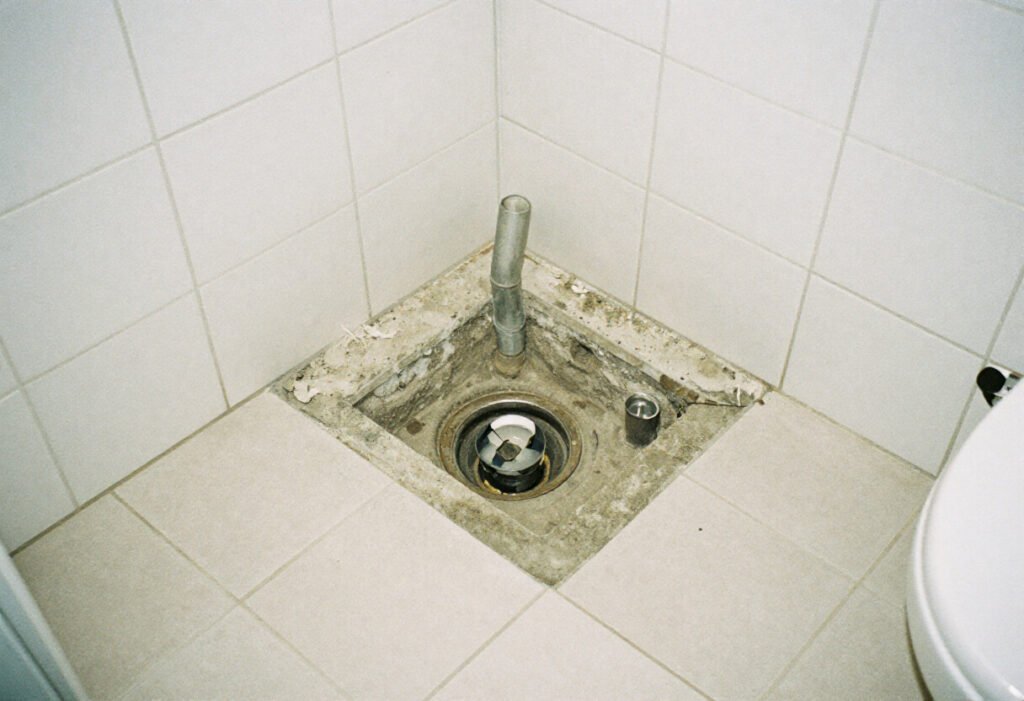
Most post-war homes were built with plumbing designed to stay where it was. Waste pipes often run directly through concrete slabs or structural timber floors, making relocation difficult and expensive.
This means many bathroom designs need to work around existing plumbing rather than completely reimagining the space. When this isn’t explained early, homeowners can feel frustrated when layout changes turn out to be impractical or cost-prohibitive.
Ceiling Heights Restrict Modern Design Features
Lower ceiling heights are another limitation commonly found in post-war bathrooms. While they were acceptable at the time, they can restrict modern design elements such as recessed lighting, ceiling-mounted exhaust fans, or rain showers.
In some cases, there simply isn’t enough roof space to install ducting or insulation upgrades without additional structural modifications. These constraints influence both aesthetics and performance, especially when ventilation upgrades are required.
Walls Are Rarely Straight or Square
Post-war construction standards differ significantly from modern builds. It’s very common to find walls that are out of square or uneven. While this isn’t always noticeable in an original bathroom, it becomes obvious once modern tiles, frameless screens and custom cabinetry are introduced.
This limitation doesn’t prevent a quality renovation, but it does require careful preparation. Without proper wall correction, design elements that look clean on paper can end up visually misaligned once installed.
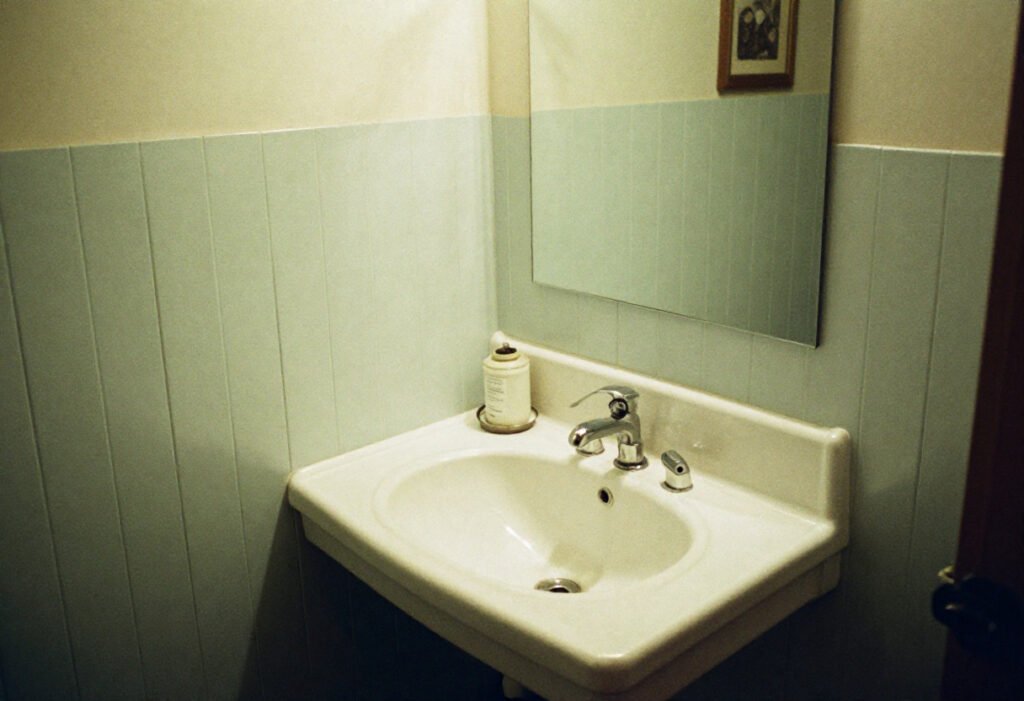
Limited Natural Light and Ventilation
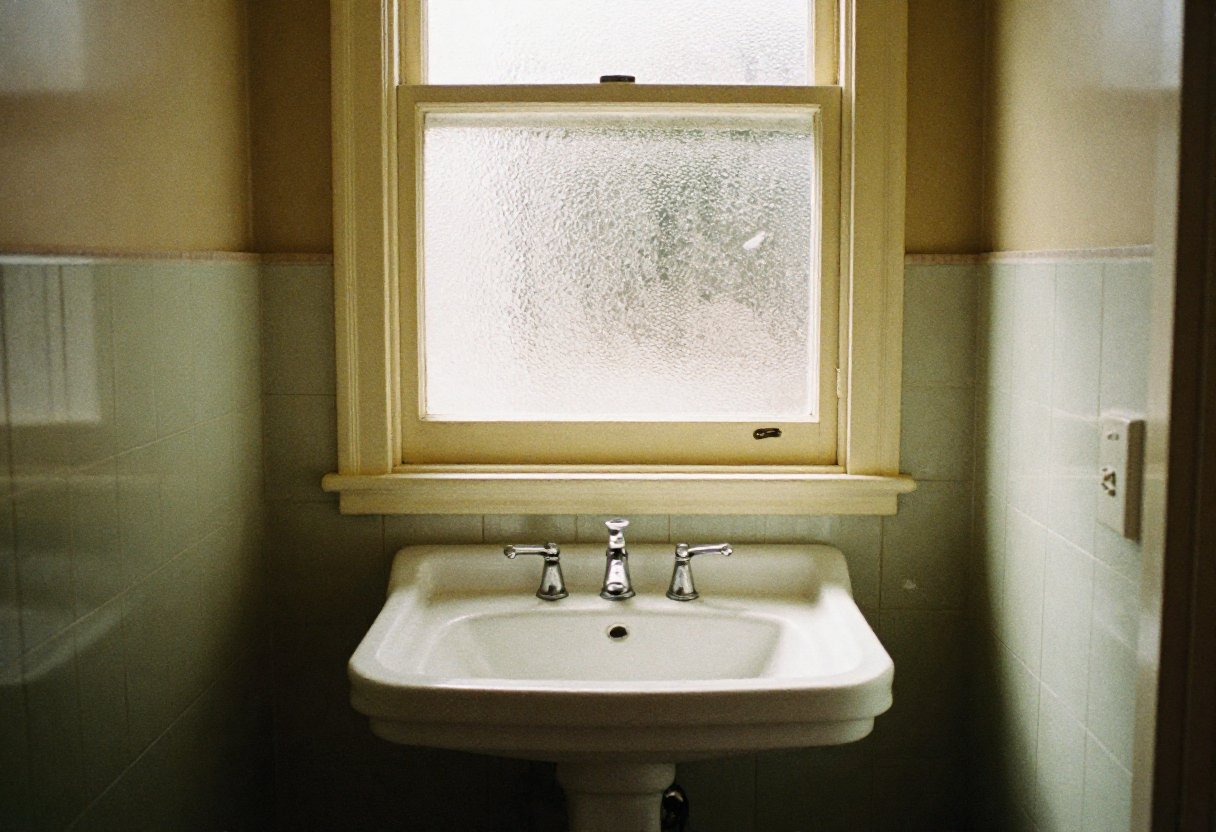
Many post-war bathrooms rely on small windows or borrowed light from adjacent spaces. This limits design options and affects how the space feels once renovated. Dark bathrooms tend to feel smaller, no matter how well they’re styled.
Ventilation is often closely tied to this issue. Without proper airflow, moisture becomes a long-term problem, which in turn influences material choices and layout decisions.
Storage Was Never a Priority
Original bathroom designs rarely included built-in storage. Vanities were small, if they existed at all, and wall storage was minimal. Trying to add modern storage solutions into these spaces can quickly make the room feel cramped.
Designing storage in post-war bathrooms requires careful balance. Oversized cabinetry can overwhelm the space, while undersized units fail to meet modern needs.
Structural Constraints Behind the Walls
What you don’t see often matters most. Post-war homes may contain unexpected structural elements behind bathroom walls, including bracing, old pipework, or timber that has been affected by moisture over time.
These hidden conditions can limit how much walls can be altered or removed, influencing layout options and construction timelines.
Designing Within the Home’s Limits
The most successful post-war bathroom renovations don’t fight the house — they work with it. Rather than forcing modern layouts into unsuitable spaces, experienced builders design bathrooms that respect the home’s structure while improving comfort, usability and longevity.
When design limitations are understood early, renovation decisions become clearer, budgets are more accurate, and outcomes are more durable.
Final Thoughts
Post-war Melbourne homes present unique bathroom renovation challenges in designing that aren’t always obvious at first glance. These limitations are not deal-breakers, but they do require experience, planning and realistic expectations.
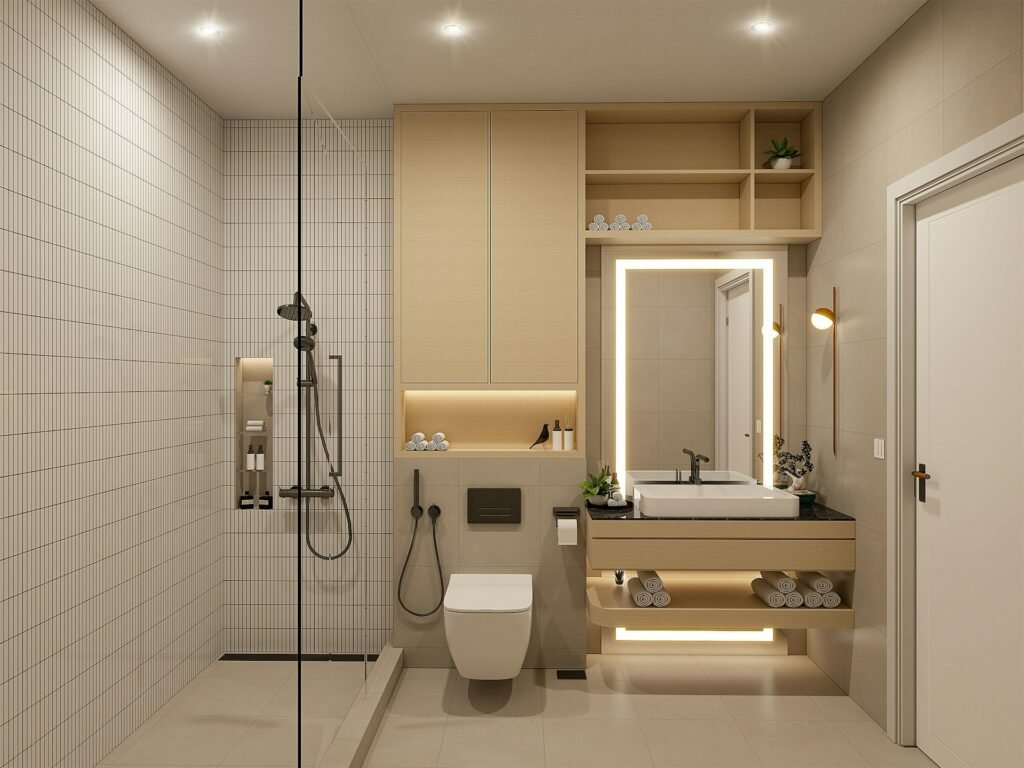
A well-designed bathroom renovation in a post-war home isn’t about copying modern display homes. It’s about creating a space that suits the house, functions properly, and lasts well beyond the initial renovation.