Bathroom renovations are often marketed as a clean, simple upgrade. New tiles, new fixtures, and a better-looking space. What’s usually missing from the conversation is what actually makes a bathroom renovation succeed and what causes so many of them to fail months or years later.
Most issues don’t come from design choices. They come from what’s hidden behind walls, under floors, and in the fine print that rarely gets explained before work begins.
Waterproofing Is Where Problems Usually Start
Waterproofing is one of the most critical parts of a bathroom renovation, yet it’s often treated as a routine step. In reality, this stage demands time, precision, and patience. Surfaces must be properly prepared, corners detailed correctly, and membranes allowed to cure fully.
When this process is rushed, the bathroom may look perfect on completion, but leaks can develop later — often long after warranties are forgotten. Fixing those issues usually means removing tiles and starting again, which is something no homeowner expects when the job is “finished.”
Changing the Layout Is Rarely a Small Decision
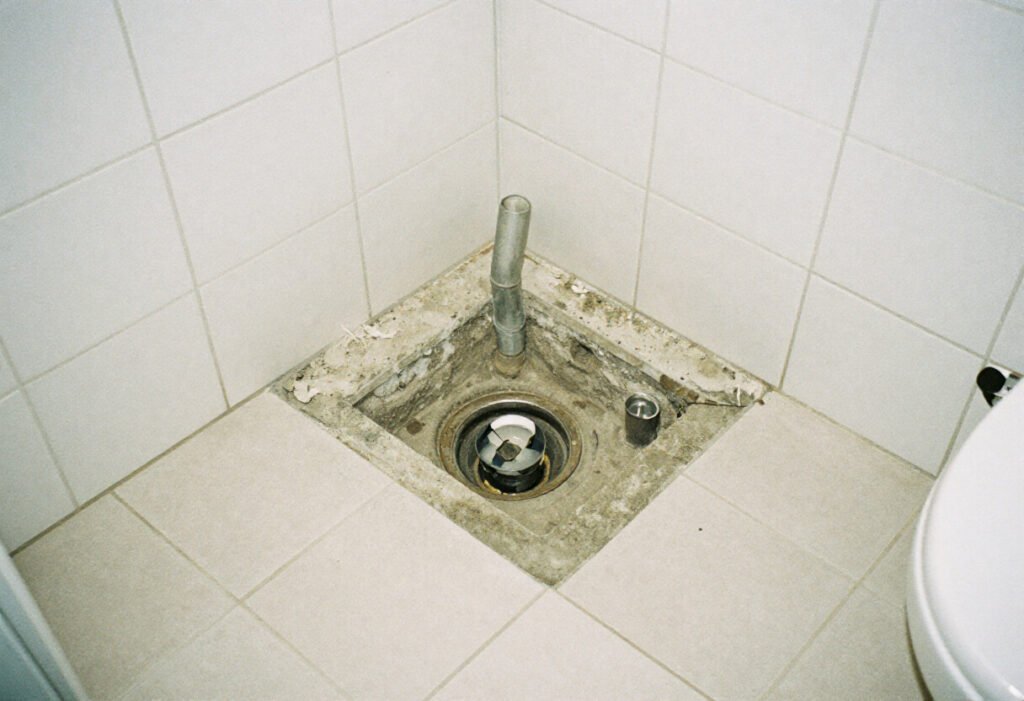
Moving a toilet, shower, or vanity can seem like a simple design improvement. What many builders don’t fully explain is the work required underneath. In Melbourne homes, particularly older ones, plumbing changes can involve cutting concrete slabs, upgrading old pipes, and bringing everything up to current standards.
These changes add cost and time, and they’re not always obvious during the initial quote. Keeping the existing layout where possible is often the most cost-effective option, but homeowners are rarely shown the full picture when making that decision.
Not All Fixtures Are Built for Long-Term Use
Showrooms are designed to make fixtures look good, not to show how they perform over time. Two mixers may look identical, yet one may last decades while the other develops issues within a few years.
Cheap fixtures can be difficult to repair if parts become unavailable, turning a small issue into a full replacement. Builders who have seen this happen many times understand the difference, but it’s not always explained unless the client asks the right questions.
Small Bathrooms Leave No Room for Mistakes
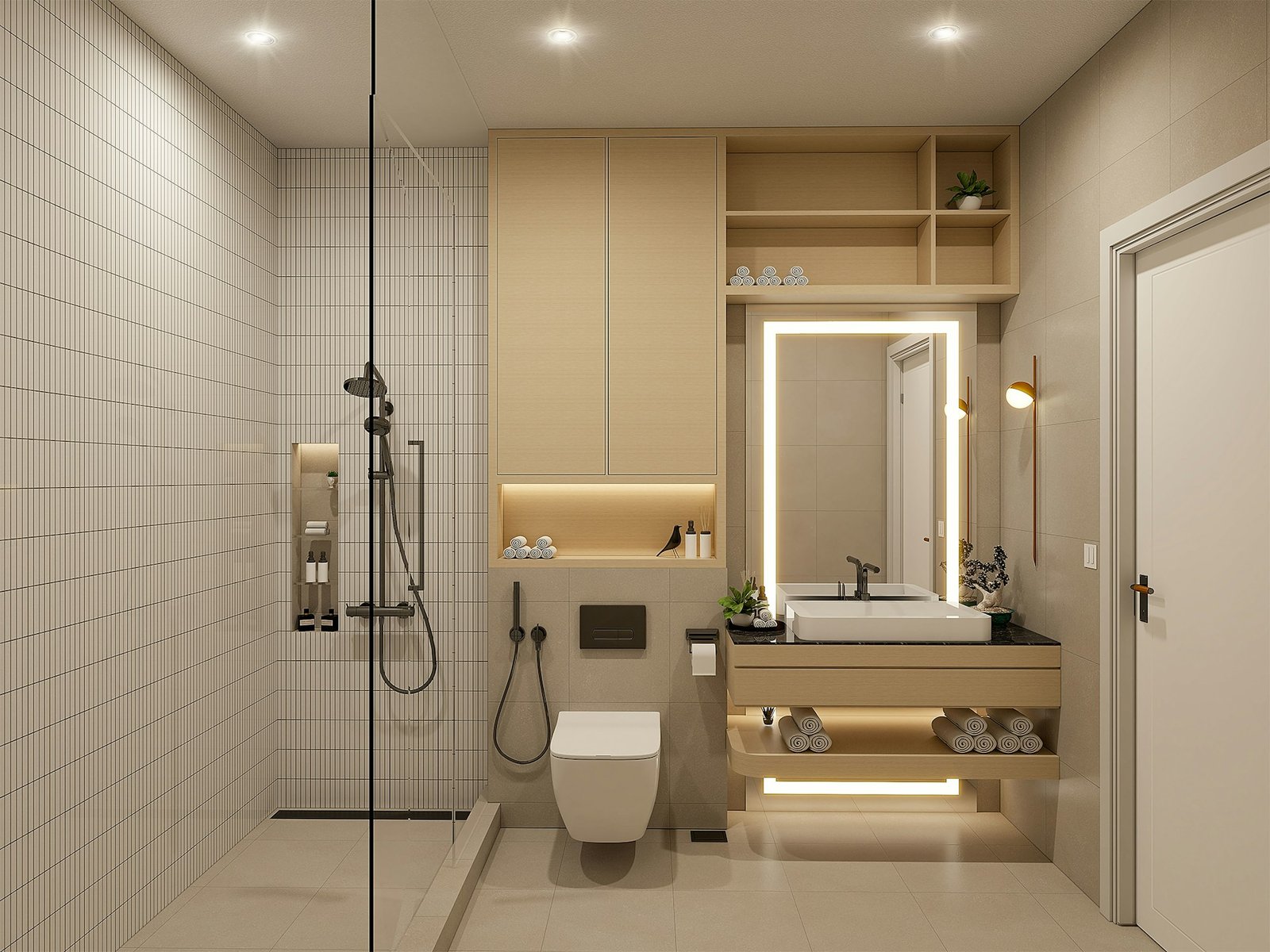
A small bathroom doesn’t mean a simple renovation. In fact, it often requires more planning. Every measurement matters, and poor decisions stand out immediately.
Oversized fixtures, awkward door swings, or poorly planned storage can make a new bathroom feel cramped rather than functional. Once tiles and fittings are installed, these mistakes are expensive to fix, which is why proper layout planning upfront is essential.
Ventilation Is About More Than Comfort
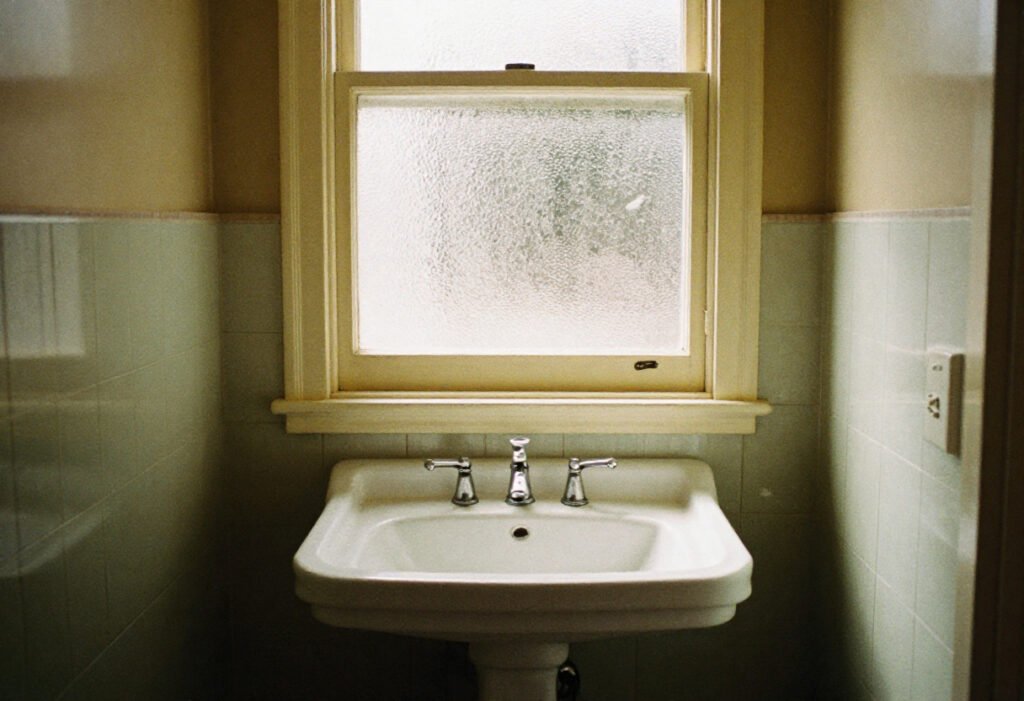
Good ventilation isn’t just about clearing steam from mirrors. Without proper airflow, moisture builds up behind walls and inside cabinetry. Over time, this leads to mould, swelling materials, and damaged finishes.
In many Melbourne homes, fans need to be ducted outside, not into roof spaces. When ventilation is treated as an afterthought, the bathroom may look great but won’t last as long as it should.
Compliance Isn’t Just Paperwork
Plumbing and electrical work must be completed by licensed trades in Victoria, but that alone isn’t enough. Compliance certificates protect homeowners, especially when selling or insuring their property.
Many homeowners assume this documentation is automatic. In reality, it should be requested, explained, and provided clearly. A builder who is transparent about compliance is usually confident in the work being done.
Timelines Are Influenced by What You Can’t See
Bathroom renovations involve multiple trades working in sequence, along with drying and curing times that can’t be rushed. Once demolition begins, unexpected issues such as water damage or outdated pipework are common, particularly in older homes.
A realistic timeline allows room for these discoveries. Promising a fast turnaround without discussing possible delays often leads to frustration once the job is underway.
Older Homes Come With Hidden Risks
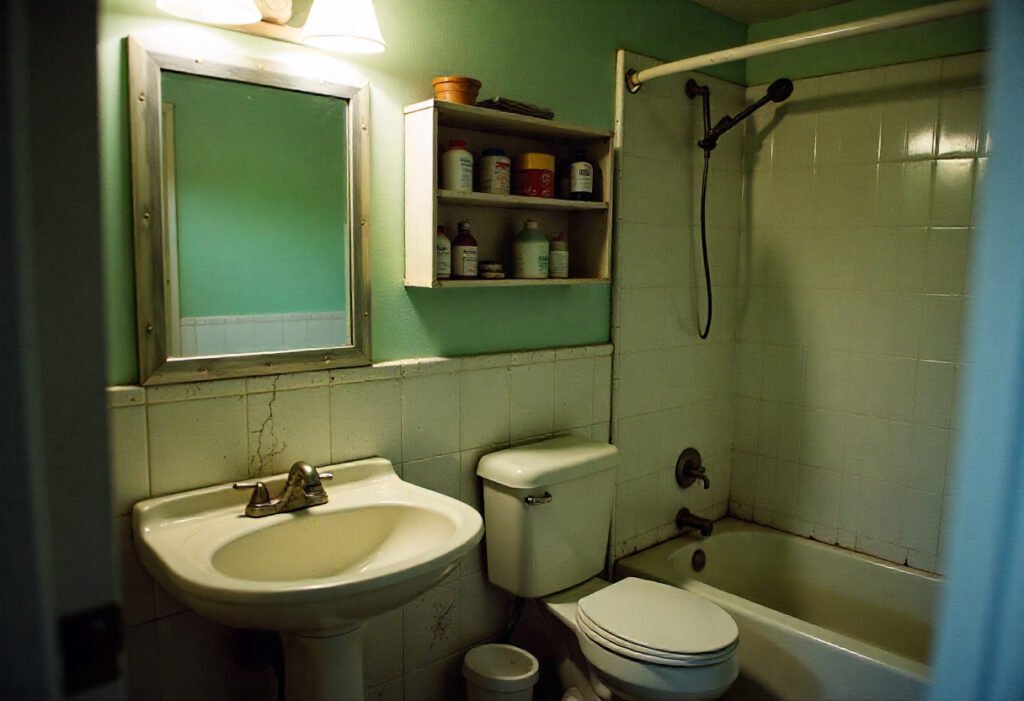
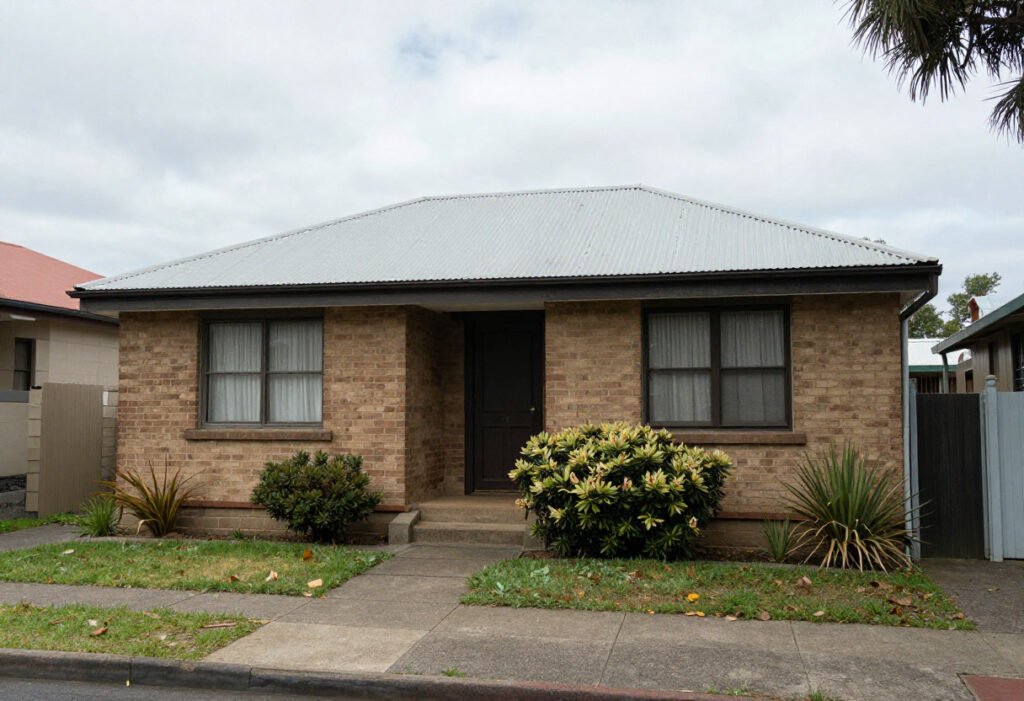
Melbourne has a large number of older homes, and bathrooms in these properties often hide past repairs or DIY work that doesn’t meet today’s standards. These issues usually only appear once walls and floors are opened up.
How a builder handles these discoveries — and how clearly they communicate the options — makes a significant difference to the final outcome.
A Bathroom Renovation Is More Than a Visual Upgrade
A well-built bathroom should work properly, last for years, and comply with current standards. Achieving that takes more than good tiles and fixtures. It requires planning, honest advice, and experience dealing with real-world conditions inside Melbourne homes.
Asking the right questions before work starts can save stress, money, and disappointment later.