
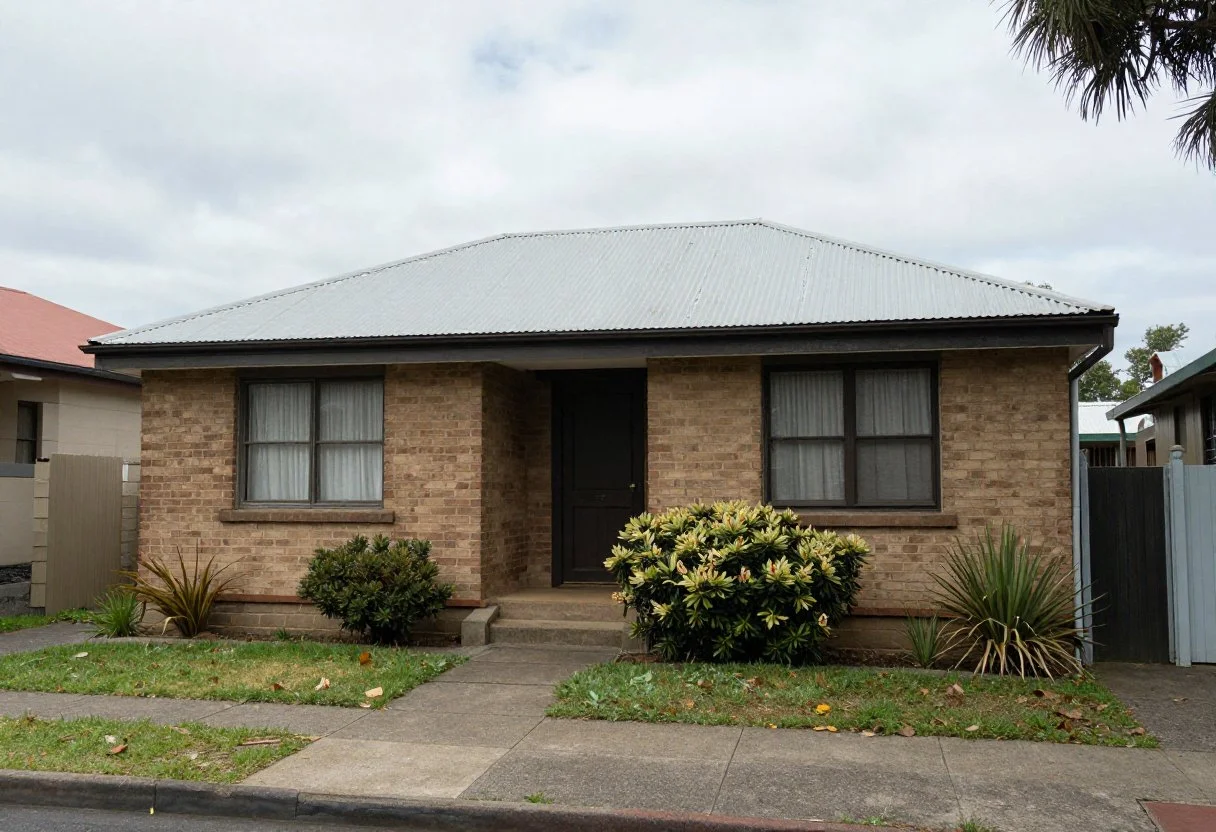
Many Melbourne homes built in the years following World War II were solidly constructed and designed to last. These houses make up a large part of suburbs such as Brunswick, Coburg, Preston, Essendon, Glen Iris, and parts of the inner east and south-east. While they’ve stood the test of time, renovating a bathroom in a post-war home often comes with challenges that don’t exist in newer builds.
Most of these issues only reveal themselves once demolition begins, which is why experience with older Melbourne homes matters far more than glossy design plans.
Original Bathrooms Were Built for a Different Lifestyle
Post-war bathrooms were designed to be purely functional. They were smaller, simpler, and built at a time when storage, ventilation, and modern waterproofing weren’t priorities.
It’s common to find narrow layouts, limited natural light, and minimal consideration for how the space would be used day to day. When modern expectations are applied to these original designs, careful planning is required to avoid creating a bathroom that looks new but still feels awkward to use.
Outdated Plumbing Is Often the Biggest Unknown
One of the most common challenges in post-war homes is old plumbing. Galvanised steel pipes, undersized waste lines, and ageing connections are frequently discovered once walls or floors are opened.
While some sections may still appear serviceable, connecting modern fixtures to old pipework can create ongoing issues. In many cases, upgrading plumbing is the smarter long-term decision, even though it wasn’t part of the original renovation plan.
This is an area where costs can change quickly if it hasn’t been allowed for upfront.
Concrete Floors Limit Design Flexibility
Many post-war Melbourne homes were built on concrete slabs. This becomes a major consideration when homeowners want to move toilets, showers, or floor wastes.
Relocating plumbing in a concrete floor often involves cutting and reinstating the slab, which adds labour, time, and cost. Without understanding this early, layout changes that seem minor on paper can become expensive in practice.
Experienced renovators will usually assess whether the existing layout can be improved without major structural work.
Waterproofing Standards Were Very Different
Bathrooms built in the 1950s and 60s were not waterproofed to the standards we expect today. In some cases, there may be no membrane at all behind tiles, or only partial protection around wet areas.
When renovating, everything must be brought up to current Australian standards. This often involves extra preparation work, floor levelling, and detailed waterproofing around junctions and penetrations.
Cutting corners here can lead to serious problems later, especially in homes where moisture has already been an issue for decades.
Ventilation Is Often Poor or Non-Existent
Post-war bathrooms were rarely designed with mechanical ventilation in mind. Small windows were common, but they’re often insufficient for modern bathrooms with enclosed showers.
Without proper exhaust systems ducted to the exterior, moisture builds up quickly. Over time, this can cause mould, peeling paint, and damage to cabinetry and plaster.
Adding compliant ventilation can be more complex in older homes, especially where roof spaces are tight or ceiling heights vary.
Walls and Structures Are Not Always Straight
Older homes were built with materials and methods that don’t always align with modern tolerances. It’s common to find walls that are out of square, uneven floors, and inconsistent framing.
These issues don’t usually become obvious until tiling begins. Rectifying them properly takes time and skill, particularly when large format tiles or custom cabinetry are involved.
This is one reason bathroom renovations in post-war homes often take longer than expected.
Electrical Systems May Need Upgrading
Electrical standards have changed significantly since the post-war period. Older wiring may not meet current safety requirements or support modern lighting, heated towel rails, or underfloor heating.
Upgrading electrical systems isn’t just about adding new features — it’s about ensuring the bathroom is safe and compliant. This work should always be completed by licensed electricians familiar with older properties.
Hidden Damage Is Common
Decades of minor leaks, poor ventilation, or previous DIY repairs often leave hidden damage behind walls and under floors. Timber rot, mould, and deteriorated subfloors are frequently uncovered once demolition starts.
How these issues are handled can determine whether the renovation lasts or becomes an ongoing maintenance problem. Addressing them properly during the renovation is far cheaper than fixing them later.
Renovating a Post-War Bathroom Requires Experience, Not Guesswork
Bathrooms in post-war Melbourne homes can be transformed into functional, modern spaces — but only when their limitations are understood from the start. These homes demand a practical approach that balances design goals with structural realities.
Clear communication, realistic allowances, and experience working with older properties make all the difference. When done properly, a bathroom renovation doesn’t just update the space — it extends the life of the home itself.


